Learning Health Systems (LHS) and informatics
Equipping Australian health professionals to leverage data to develop better models of care and improve patient outcomes.
Principal investigators
Professor Wendy Chapman, Director, Centre for Digital Transformation of Health
Sites
The University of Melbourne
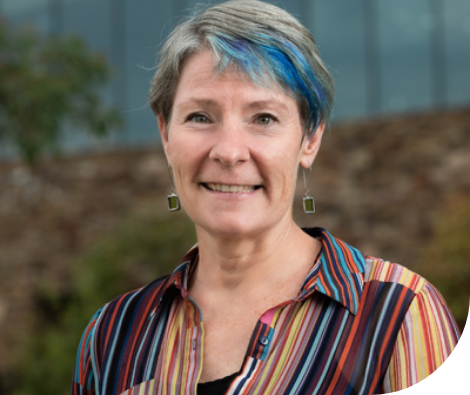
Harnessing the power of data in health care is a complicated business, but the Centre for Digital Transformation of Health at the University of Melbourne is leveraging real-world data to train health professionals in Learning Health Systems (LHS) and informatics.
Using real-world data, the online course is focused on improving patient outcomes by teaching participants a range of hard and soft skills for using data to build, implement, and evaluate innovative solutions to health challenges.
Building innovative models of care requires learning from data: collect it, ‘clean’ it, analyse it and then bring that insight to the point of care to improve decision making. Clinicians then need to measure outcomes and keep collecting data to continuously learn how to improve care.
Complementing the data skills is building awareness that innovative solutions require a breadth of different skills and experience reflecting the complexity of real-life treatment environments. This means that the ability to work cooperatively across specialties and disciplines is a key outcome.
The Learning Health System (LHS) approach aims to streamline improvements to individual and population health, by bridging the evidence-to-practice gap. Patients and clinicians can use the framework to build evidence collaboratively and apply it to innovation, quality and safety and to create value in health care.
Simulating a real-world inquiry for enlightening results
The Learning Health System uses a ‘flipped classroom’ model, requiring participants to complete two hours of self-directed readings and activities prior to the weekly online session, to meet knowledge-based learning objectives.
The live weekly 2-hour Zoom workshops include audience response polls, large-class discussion, mini-lectures, and collaborative learning in breakout rooms. Participants work with the same simulated working group each week for peer-to-peer learning on simulated activities and tools, reflecting real-world collaborative working across disciplines and even across organisations.
An innovation of the course is the use of a real-world diabetes scenario, utlising actual patient data, de-identified and supplied securely via the BioGrid platform and analysed in Jupyter notebooks. Learners participate in a simulated Australian health-care system attempting to decrease hospitalisations for patients with diabetes. Video interviews with actors playing patients and real clinicians helped participants understand the struggles of diabetes management.
How does BioGrid do it?
Participants then create machine learning models to identify predictors for hospitalisation for patients with diabetes within the simulated health care system. They then pitch potential digital health solutions, develop care process models, build workflows for triggering messages to patients in an app and to clinicians in a dashboard using Datos software, and design an evaluation based for a real application called REMODEL (REthinking Model of Outpatient Diabetes care utilising EheaLth).
BioGrid’s participation was essential in ensuring that LHS participants were working with data that was the same as data they would encounter in actual practice; from multiple sources and through timeframes, enabling the tracking of treatment presentations and outcomes.
Without access to these data, the LHS developers would not have been able to design a “real-world” case study to teach the applied skills in informatics and data analytics and ensure that it was relevant to the specific Australian healthcare context.
BioGrid’s rigorous data governance, privacy and security ensured that all patient data was de-identified but could be linked appropriately and used accurately in analysis across data sources, enabling powerful modelling for the development of innovative solutions.
We’re teaching clinical staff and practitioners to identify solutions and weigh up information from different sources to choose the best solution for the patient.
Professor Wendy Chapman
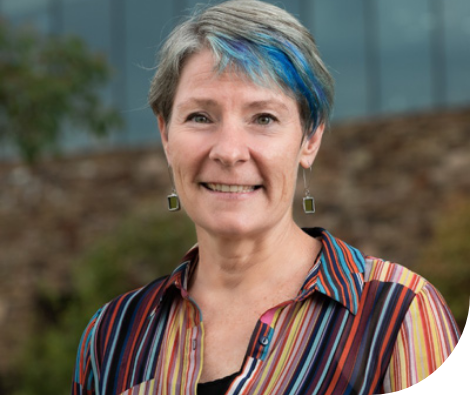
Professor Wendy Chapman
Professor Wendy Chapman is the Associate Dean of Digital Health and Informatics at the University of Melbourne, as well as the Director of the Centre for Digital Transformation of Health.
Published 22 December, 2022