BioGrid’s 20th Anniversary Celebration – sharing learnings and thinking about the future
December 12, 2024
Acknowledging the past, celebrating the present and embracing the future
BioGrid’s journey as a leader in Australian health informatics
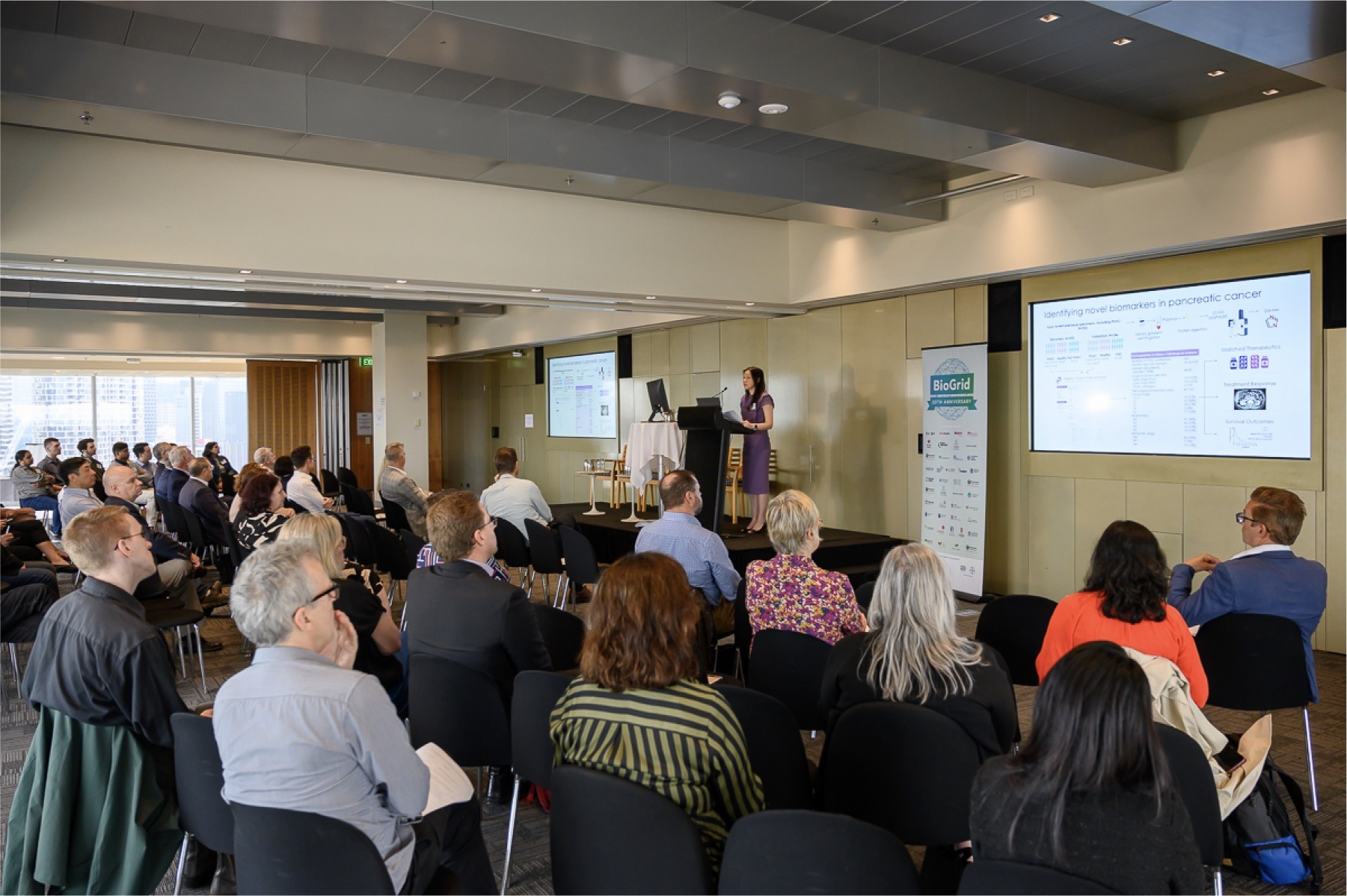
Our 20th Anniversary Celebration on Tuesday 26 November was a wonderful day, full of fascinating presentations from people working hard to make our communities healthier. Thank you to everyone attended in person and online!
As well as marking our significant milestone, the event was a great opportunity to catch up with colleagues and friends, and we have been pleased to hear that many attendees made new connections on the day. We know that many of the researchers we work with are solving data-related problems that are common for many research projects, and with them we’re committed to sharing what we have learned over the past two decades.
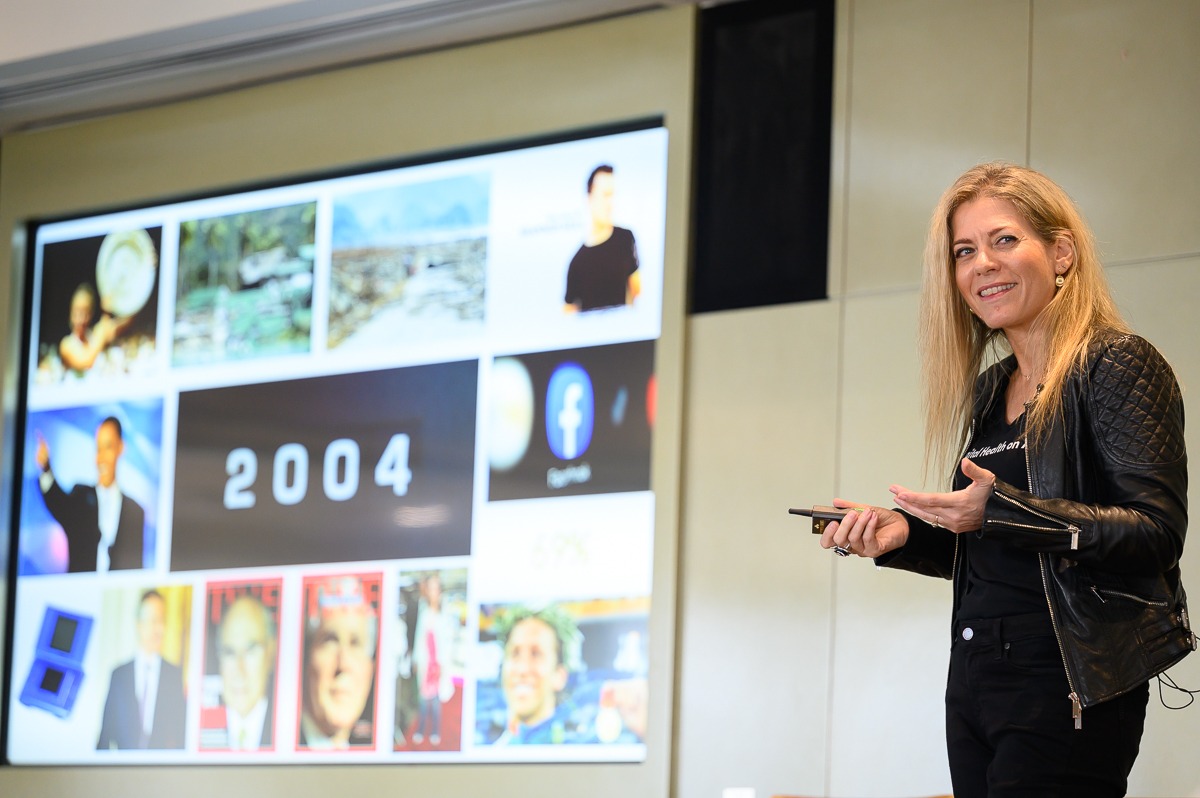
Keynote speakers provided the context for BioGrid’s journey
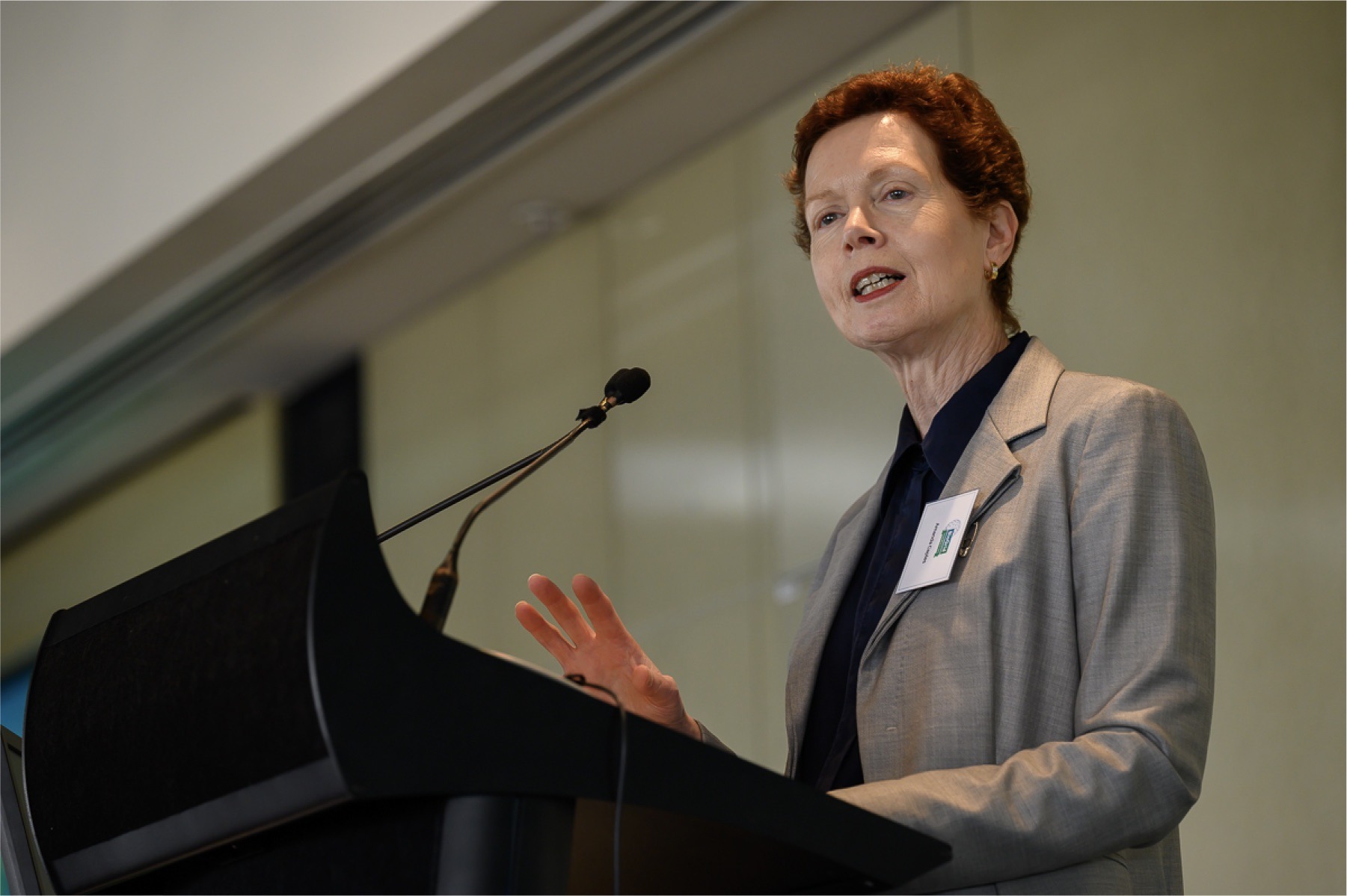
Our keynote speakers Louise Schaper and Amanda Caples set the scene for the day. Dr Schaper shared an eye-opening retrospective of the progress since 2004 in using medical data and electronic medical records in the context of the technological advances over 20 years. So much has changed, and at the same time many advances that were expected have not. Dr Schaper also shared some thoughts on what the future might hold with the help of organisations like BioGrid.
Dr Amanda Caples, Victoria’s Lead Scientist, talked about the Victorian government’s commitment to the type of financial support that helped establish BioGrid (more about BioGrid's story). The Victorian Government was with us right at the beginning in 2003 when it funded the Molecular Medicine Informatics Model (MMIM) pilot project, and again in 2006 when what was by then called the Australian Cancer Grid was funded under the Victorian Government's Healthy Futures Initiative.
This support is still critical for the advancement of medical research in Victoria and also for the broader aim of improving the health of our community.
The Gibbs Lab – honing clinical registries for improved clinical outcomes
After Dr Louise Schaper’s keynote address, the Gibbs Lab team took us through some of the exciting programs they are working on utilising clinical registry data from registry software developed and linked by BioGrid.
Dr Grace Gard’s work focuses on using clinical registry data to help improve patient education about their condition when they have been diagnosed to create a personalised care plan. This has been trialled at Western Health in Melbourne with great success, with 100% of responding patients recommending the personalised care plan for other patients.
Dr Vanessa Wong spoke more broadly about the challenges of establishing registry-based clinical trials, and emphasised that the benefit of these types of trials was a ‘pragmatic approach’ to answering clinical management questions in real world settings.
Dr Belinda Lee shared insights with us about how clinical registry data can support translational research. Dr Lee has significant experience in this area, as the Chief Investigator of the PURPLE Pancreatic cancer Translational Registry a collaborative research platform she established in 2016.
Dr Kate Dunn (Measuring and improving quality of care) took us through how the TRACC registry, established many years ago and has more than 3000 patients enrolled , is measuring and improving quality of care for patients with recurrent and advanced colorectal cancer.
Real World Evidence and the benefits for the pharmaceutical industry
A/Prof Ben Tran, Dr Arsha Anton, Giles Stratton (Pfizer) and Eduardo Pimenta (Bayer) joined us for a discussion about how real world evidence can help the Australian pharmaceutical industry in developing treatments.
Real world evidence has many advantages, including the ability to:
- collect large-scale comprehensive data sources,
- compare real-world vs trial populations
- analyse treatment patterns and the results of (or responses to) treatment, and
- include data from the broader population, including diverse subgroups
The pharmaceutical industry can use this information to inform cost-effectiveness analyses, and regulatory decision-making.
Dr Anton also shared insights about her experience in running registry trials, particularly Real-PRO, a Registry-based study of Enzalutamide vs Abiraterone assessing cognitive function in Elderly Metatstatic Castration-Resistant Prostate Cancer.
Infrastructure and data solutions for research questions
Prof Peter Gibbs joined us again to introduce a session on case studies about research featuring infrastructure and data solutions.
Dr Miranda Smith presented on the use of virtual biobanking to enhance collaboration and specimen use in infectious diseases by making geographically separate biobanks easily accessible from a central location, in the APPRISE Virtual Biobank.
A/Prof Phillip Antippa’s discussed ANZTHOR , Australia and New Zealand’s first thoracic surgery registry, which is being used to understand and measure support continuous improvement in thoracic surgery outcomes.
Dr Allison Drosdowsky took us through her project with Data Connect investigating how outcomes for cancer patients can be improved by linking data from primary care and hospital settings, as well as data from clinical registries, to study cancer from pre-diagnosis to post-treatment care;
Dr Anthony Zimmerman shared the work his team is doing to equip hospitals with the tools they need to collect and management patient information to support diabetes clinical care, audit and research projects, based on data collected in the Diabetes Clinical and Research Database.
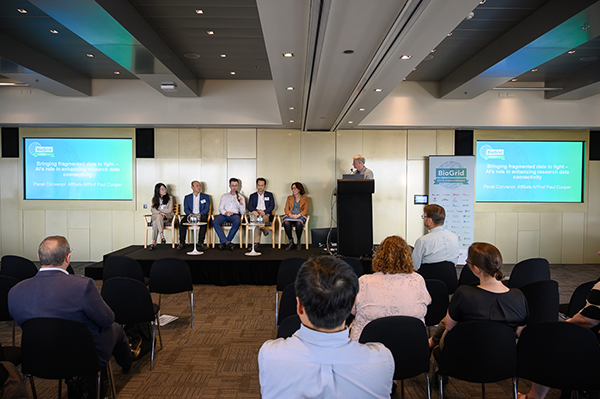
Can artificial intelligence help connect fragmented healthcare data?
Artificial Intelligence (AI) is one of the hottest topics in health at the moment, and we had a fantastic panel before lunch to delve into how AI will enhance research data connectivity. With its ability to bring fragmented data to light, it's an exciting space to work in right now.
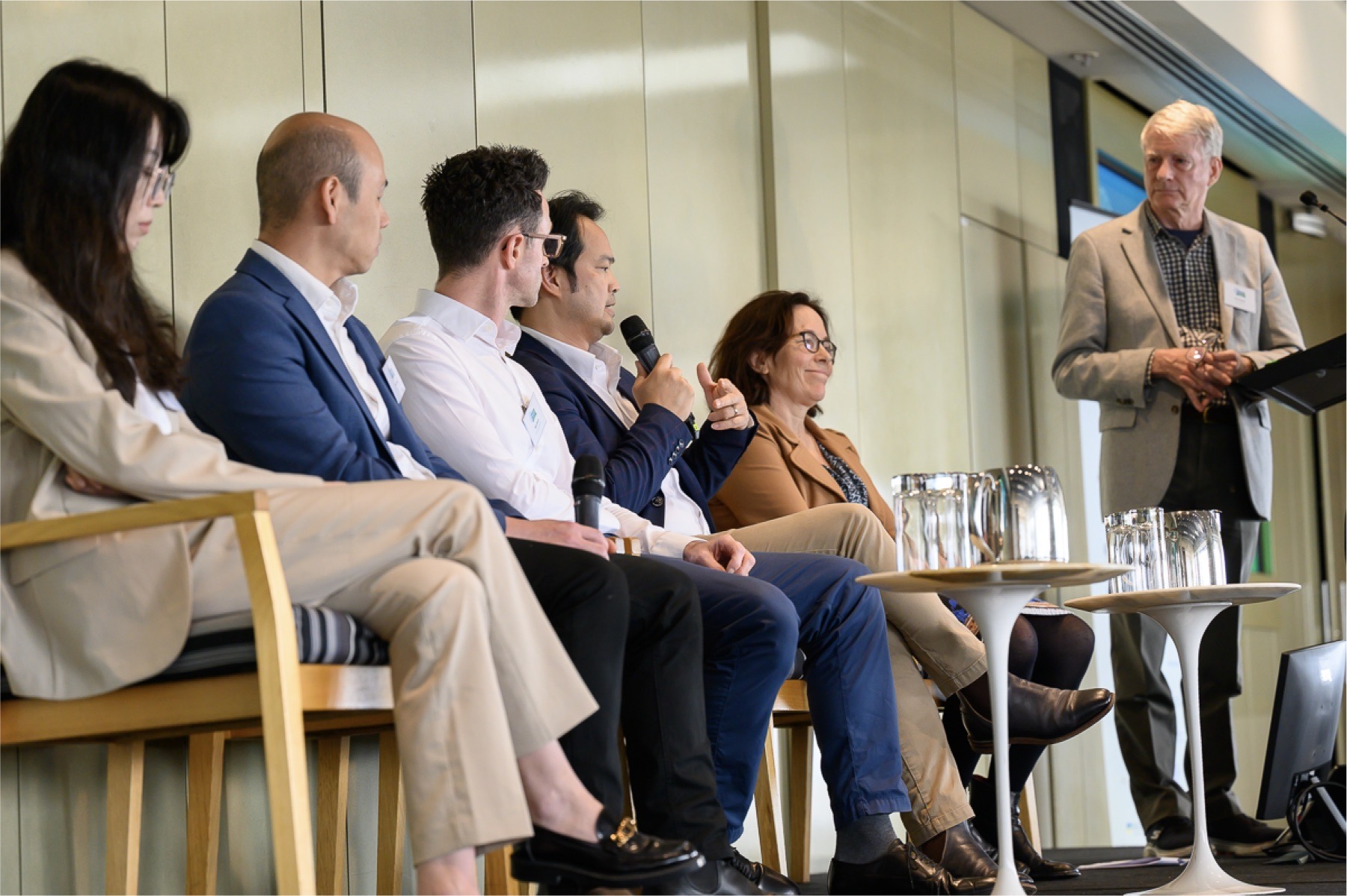
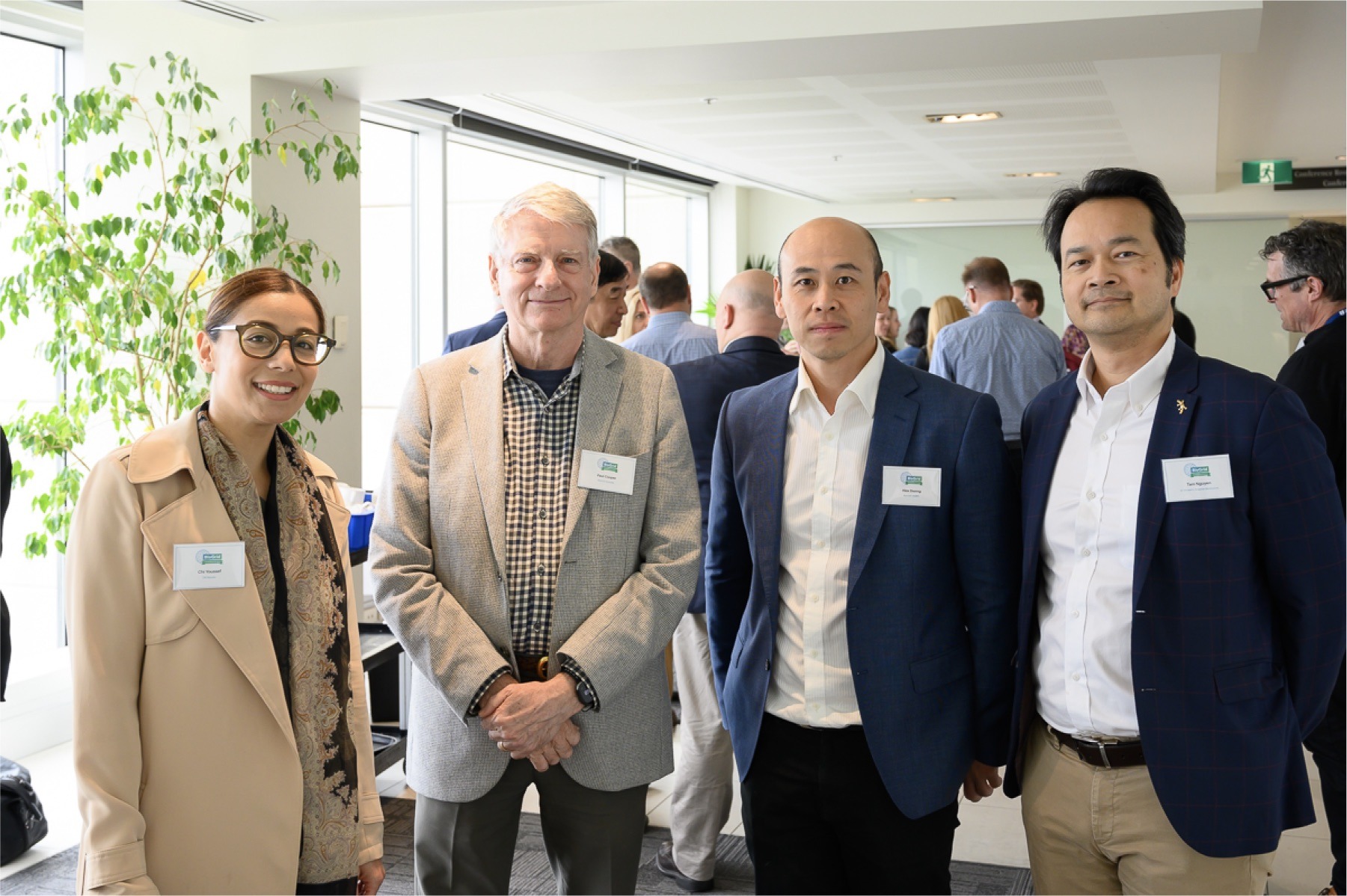
Our panel on the day was convened by Dr. Paul Cooper, who led Dr Ting Dang, Dr Alex Duong, Mark Nevin, A/Prof Tam C. Nguyen and Prof Jeannie Marie Paterson through a range of topics, including the impact AI will have on data collection and data quality, and what strategies could be used to ensure appropriate standards.
The panel also tackled the complex issues of ethical considerations and regulatory support - what ethical issues arise when AI is used to integrate sensitive health data, and how can we address concerns around privacy and consent? How can policymakers and regulatory bodies support the integration of AI in enhancing research data connectivity while ensuring patient rights are protected? Everyone agreed that this is a conversation that will continue for some time as the complex considerations around AI are identified and tackled.
Projects supported by the Medical Research Future Fund (MRFF)
BioGrid has partnered with a number of projects funded by the MRFF under the Research Data Infrastructure Initiative, and Prof Karin Thursky convened a session focused on these exciting programs of work.
A/Prof Daniel Capurro discussed the project work using artificial intelligence in antimicrobial appropriateness surveillance, using natural language processing, machine learning algorithms, and common data models for antimicrobial use metrics and infection indications.
Anna Khanina took us through the EINSTEIN project, which aims to develop an automated surveillance program for infections in cancer patients, emphasising the extraction and transformation of data from electronic medical records to create robust infection detection algorithms.
A/Prof Ashley Ng then profiled the National Cancer Cohort Program, which will create a digital asset to bring together several influential national cancer cohort studies into one virtual location, including linkages to biospecimen repositories and familial pedigrees.
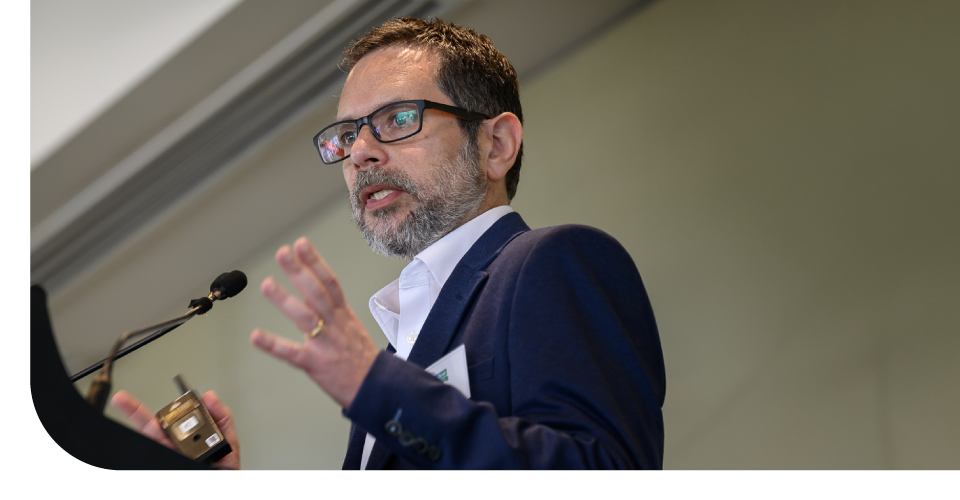
Tackling antibiotic allergies and antimicrobial resistance
When a patient is admitted to hospital, time is of the essence. If antibiotics are required, it’s important to use the right one, especially with 10 percent of the Australian population reporting a penicillin allergy.
However, up to 90% of that group may not truly be allergic to penicillin. How can clinicians confirm this?
Accessing penicillin skin-testing procedures in the inpatient setting requires time, trained clinicians and resources. Given the pressures of responding to an immediate issue of infection, many clinicians have been therefore unable to test if a penicillin allergy truly exists, leaving limited antibiotic choices for common infections.
Jason Trubiano, Elise Mitri and Luke Fletcher joined us to talk about the work the iNAAN program is doing to support clinicians by developing a tool to assess antibiotic allergies, and enabling penicillin allergy delabelling for hospitalised low-risk patients.
The potential benefits? Confidence in the appropriate treatment for patients, and potentially a reduction in antimicrobial resistance.
Snow Centre for Immune Health
WEHI (Walter and Eliza Hall Institute of Medical Research) Director Professor Ken Smith and The Royal Melbourne Hospital's Jo Douglass, co-leads for the new Snow Centre for Immune Health, joined our event to share the vision for the Centre, an exciting initiative that will address the increasing “tidal wave” of immune disease in modern society.
The areas the Centre will investigate include debilitating autoimmune disorders such as lupus and rheumatoid arthritis affect up to 10% of the population and are some of our most significant chronic health problems; allergic disease including anaphylactic food allergies that affect one in five Australians; and asthma, which impacts 10% of Australians.
The Centre's work was of great interest to our attendees, as one of the focus areas is the translation of research 'from bench to bedside', targeting rapid development of new diagnostics and therapies, which requires a dedicated team of researchers and clinicians to work side by side.
In our audience we were also honoured to be joined by Professor Sir John Savill, who chairs the Provisional Science and Technical Advisory Committee (PSTAC) for the Snow Centre for Immune Health. PSTAC provides independent advice to Snow Medical and WEHI on matters relating to the operation and strategic scientific direction of the Centre.
Making information in clinical notes accessible to researchers through natural language processing
If you want a taste of how complex human language is, and how efficient the human brain is at understanding all the nuances of language, try training a computer to understand clinical notes!
This is the challenge Wendy Chapman and Vlada Rozova from the University of Melbourne set our audience in their presentation on their work using natural language processing (NLP) to extract the rich, meaningful information from clinical notes.
It was a fascinating exercise that engaged our attendees and quickly demonstrated the complex challenges involved in ensuring accurate, usable information is available for clinicians and researchers from clinical notes.
Thank you to our 20th anniversary video participants
The BioGrid Australia 20th Anniversary videos were screened at BioGrid's 20th Anniversary Celebration on 26 November 2024, featuring interviews with key people in BioGrid's 20 year journey to becoming a leader in Australian health informatics.
Thank you to everyone who participated in this fascinating look back over BioGrid Australia's journey.
You can view the videos here.
Thanks to our sponsors
SILVER SPONSORS

Breakthroughs that Change Patients’ LivesTM
Throughout Pfizer's 175 year history, and over 65 years in Australia, we have remained dedicated to discovering and developing new and better ways to prevent and treat disease, and improve the health and wellbeing of people around the world.
At Pfizer, we apply science and our global resources to improve health and well-being at every stage of life. We strive to set the standard for quality, safety and value in the discovery, development and manufacturing of medicines. Our diversified global health care portfolio includes human biologic and small molecule medicines and vaccines.
For more information visit www.pfizer.com.au

Astellas is a global pharmaceutical company, working at the forefront of healthcare change to turn innovative science into value for patients. Making a positive impact on patients’ lives is the purpose behind everything we do.
We are relentless in our pursuit of scientific progress and in tackling unmet medical needs. We work every day to leverage what sets us apart - our focus on patients, our pioneering spirit, our culture of innovation, and the passion of our talented people to pursue the best solutions for patients.
For more information visit www.astellas.com/en/
BRONZE SPONSORS

DB Results is a digital consulting company with a clear purpose: to create solutions that truly deliver - value, transformation, and better customer experiences. We do it with passion, integrity, and a commitment to driving positive change. In 2023, we were the first consulting company in Australia to achieve B Corp certification.
Our expertise in financial services, insurance, energy and utilities, and health services enables us to bring digital innovation to some of the world's largest industries.
Founded in 2004 in Melbourne, we have grown into a global team with members across Australia, Thailand, Hong Kong, and the Philippines.
For more information visit www.dbresults.com.au

Bayer: Science for a better life
Bayer is a global life science company with expertise in healthcare and agriculture. The company has had a presence in Australia since 1925 and has a long-term commitment to the health and nutrition of all Australians and New Zealanders.
As people live longer and the population continues to grow locally and beyond, Bayer is one of the few companies that takes a comprehensive view of these issues. Guided by our purpose – Science for a better life – we apply our global scientific expertise in healthcare and agriculture to deliver innovations locally to help people and the planet thrive.
For more information visit www.bayer.com.au